mcg vs. mg on Supplement Labels: The Math Behind the Numbers
A microgram (mcg) is one-thousandth of a milligram (mg), so 100 mcg equals 0.1 mg, not 100 mg. For vitamin D3, 1 mcg equals 40 IU, so 84 mcg equals 3,360 IU. A 10:1 extract concentrates 10 parts raw herb into 1 part extract, so 100 mcg of a 10:1 extract is roughly 1 mg of raw herb, still far below the hundreds of milligrams used in most herb studies.
mcg vs. mg on supplement labels: the unit math that actually matters
Two labels can list the same ingredient at numbers that look nothing alike, and the difference is often just the unit. A gummy that says "100 mcg" and a capsule that says "500 mg" of the same herb are not close: 500 mg is 5,000 times more than 100 mcg, even though the numbers look similar at a glance. Reading a Supplement Facts panel well starts with reading the units correctly.
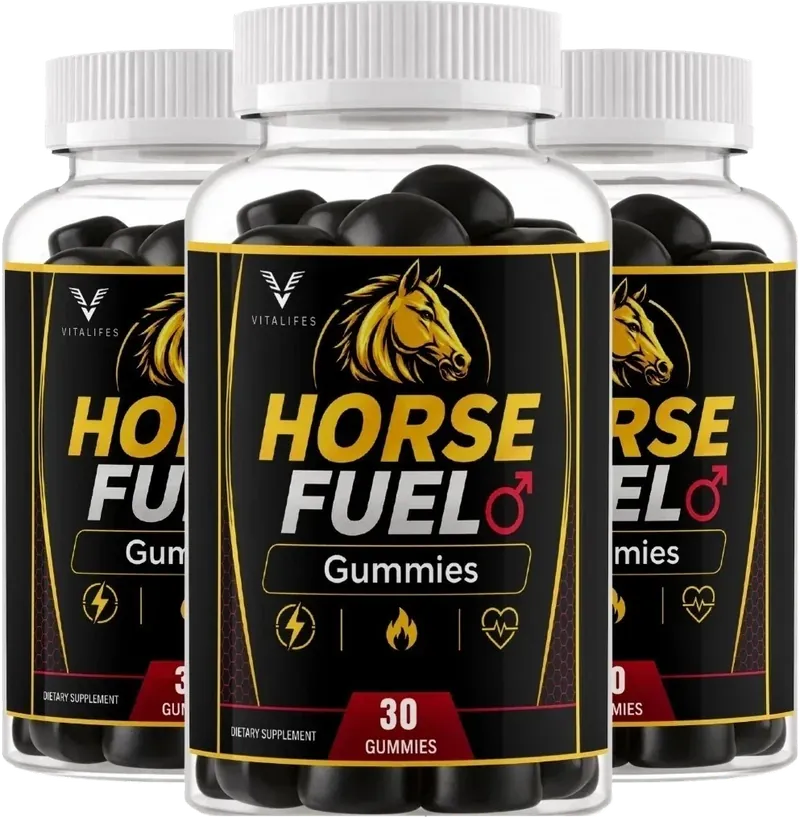
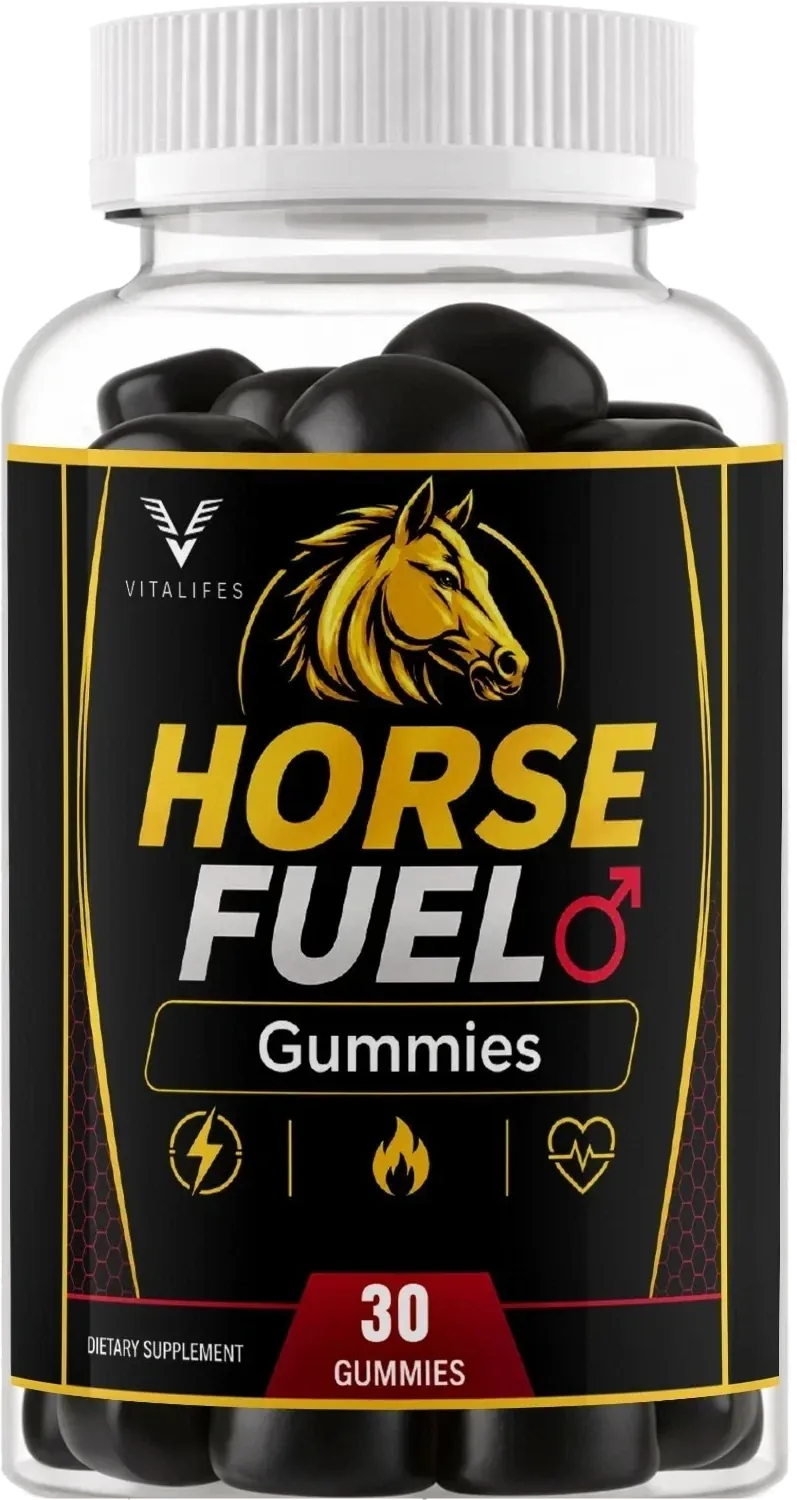
This guide covers the plain math behind mcg, mg and g, how vitamin D3 gets converted to and from IU, what a "10:1 extract" ratio actually changes, and why the four herbal extracts on the Horse Fuel label sit so far below the doses used in research. We use Horse Fuel's own label as the worked example throughout.
The unit math: mcg, mg and grams
Every weight unit on a Supplement Facts panel is a step of 1,000 from the next one:
| Unit | Short for | Equal to |
|---|---|---|
| g (gram) | gram | 1,000 mg |
| mg (milligram) | one-thousandth of a gram | 1,000 mcg |
| mcg or µg (microgram) | one-millionth of a gram | 0.001 mg |
So 100 mcg is 0.1 mg. And 0.1 mg is 0.0001 g. Move the decimal point three places every time you cross from mcg to mg, and three more from mg to g. It is easy to glance at "100" on a label and assume it is a solid amount, without noticing the tiny unit sitting right after it.
If two labels list the same ingredient in different units, convert both to milligrams first. 100 mcg becomes 0.1 mg. 500 mg stays 500 mg. Now the size difference, 5,000 times in this example, is obvious.
Vitamin D3: mcg vs. IU, and how to convert
Vitamin D3 is one of the few supplement ingredients still commonly measured two ways: micrograms (mcg) and International Units (IU). Both appear on labels and in research, so it helps to be able to move between them.
The conversion
For vitamin D3, 1 mcg equals 40 IU. To go from mcg to IU, multiply by 40. To go from IU to mcg, divide by 40.
| Amount | In mcg | In IU |
|---|---|---|
| Adult RDA | 15 mcg | 600 IU |
| Adult RDA, over 70 | 20 mcg | 800 IU |
| Adult upper limit | 100 mcg | 4,000 IU |
| Horse Fuel, per gummy | 84 mcg | 3,360 IU |
Horse Fuel's label prints "84mcg 420%". Multiply 84 by 40 and you get 3,360 IU, which is the number you will see if you compare it against an older bottle, or a doctor's note, that still uses IU instead of mcg. NIH ODS publishes the RDA and upper limit in both units for exactly this reason (National Institutes of Health, 2024).
What does a 10:1 extract ratio actually mean?
Herbal ingredients add a second layer: the extract ratio. Horse Fuel lists its four herbs as, for example, "Fenugreek Seed Extract 10:1 100 mcg." The "10:1" means 10 parts of raw plant material were concentrated down into 1 part of finished extract, in theory carrying roughly the same amount of active compound as 10 times as much raw herb.
What 10:1 means
10 kg of raw fenugreek seed, dried and processed, yields roughly 1 kg of 10:1 extract. The extract is meant to pack a raw-herb-equivalent punch about 10 times its own weight.
Applying it to Horse Fuel's 100 mcg
100 mcg of a 10:1 extract is roughly equivalent to 1,000 mcg, or 1 mg, of raw herb. That is the math the ratio buys you: still a very small raw-herb amount.
Why the ratio does not rescue a small number
A 10x concentration on a 100 mcg starting point produces roughly 1 mg. Research doses for these herbs are measured in hundreds of milligrams to grams, so a 10x jump does not close a gap that large.
Why are 100 mcg herbal extracts so small next to study doses?
This is where the unit math and the extract ratio meet. Horse Fuel lists four herbal extracts, fenugreek, maca, tribulus and horny goat weed, each at 100 mcg (0.1 mg). Converting with the 10:1 ratio puts each one at roughly 1 mg of raw herb equivalent. Here is how that compares with the amounts used in the studies behind each herb:
| Herb | In one Horse Fuel gummy | Amount used in research |
|---|---|---|
| Fenugreek Seed | 100 mcg | 250-600 mg/day |
| Maca Root | 100 mcg | 1,500-3,500 mg/day |
| Tribulus Terrestris | 100 mcg | 400-750 mg/day |
| Horny Goat Weed | 100 mcg | No established human dose |
The fenugreek dose comes from a meta-analysis of 4 small trials that pooled 206 men (Mansoori et al., 2020). The maca range comes from a systematic review of short trials on sexual function (Shin et al., 2010). The tribulus range comes from a 2025 systematic review of clinical trials (Vilar et al., 2025). Horny goat weed has no established human efficacy dose at all, so there is no research amount to compare against.
Fenugreek was studied at 250-600 mg a day of extract. One Horse Fuel gummy has 100 mcg, or 0.1 mg, about 1/2,500 to 1/6,000 of the studied range. Maca studies used 1,500-3,500 mg a day of dried root, roughly 15,000 to 35,000 times more than the 0.1 mg on this label. Even after applying the 10:1 ratio, the gap stays in the hundreds or more.
None of that makes the label dishonest. Every amount is printed, which is more than many competing formulas do. It simply means these four ingredients are present at a token amount, not a dose shown to do anything on its own. Full ingredient notes: Horse Fuel ingredients, or the complete Supplement Facts breakdown.
How to read any supplement label in under a minute
You do not need a chemistry background to read a Supplement Facts panel well. Four habits cover most of it:
Check the unit before the number
100 mcg and 100 mg are not close. Read the letters right after the digits every time, not just the number.
Convert everything to one unit
Turning every amount into milligrams makes size differences obvious at a glance, especially across a long ingredient list.
Look for the extract ratio
A ratio like 10:1 or 4:1 next to an herb name tells you how concentrated it is. No ratio printed usually means a plain powder, not a concentrate.
Compare against a known reference
For vitamins and minerals, compare against the RDA and upper limit. For herbs, compare against the dose used in the clinical trials behind that ingredient, when one exists.
Horse Fuel's own label is a useful practice case: two ingredients, vitamin D3 and boron, land in ranges that match official nutrition numbers, while four herbal extracts sit at token, hard-to-notice amounts once you do the mcg-to-mg conversion. See our full vitamin D and boron for men guide for those two ingredients in depth, or browse the Horse Fuel blog for more label breakdowns.
Questions readers ask
Is 100 mcg the same as 100 mg?
No. A milligram (mg) is 1,000 times larger than a microgram (mcg). 100 mcg equals 0.1 mg, while 100 mg is 1,000 times more than that.
How do you convert vitamin D3 mcg to IU?
Multiply the mcg amount by 40. For example, 84 mcg of vitamin D3 equals 3,360 IU (84 x 40 = 3,360).
What does a 10:1 extract ratio mean?
It means 10 parts of raw plant material were concentrated into 1 part of finished extract. 100 mcg of a 10:1 extract is roughly equivalent to 1 mg (1,000 mcg) of raw herb.
Why do supplement herbs sometimes look tiny at 100 mcg?
Because clinical studies on herbs like fenugreek, maca and tribulus generally use hundreds of milligrams to several grams a day, thousands of times more than a 100 mcg (0.1 mg) extract amount.
Why does vitamin D3 still use IU on some labels?
International Units (IU) were the older standard measure for vitamin D3 and vitamin A, and many labels, older bottles and lab results still use it alongside or instead of mcg.
What is the fastest way to compare two supplement labels?
Convert every amount to the same unit, usually milligrams, before comparing. A number that looks similar in different units can be thousands of times apart in reality.
Does a bigger extract ratio always mean a stronger dose?
Not by itself. A 10:1 extract at 100 mcg is still a very small raw-herb equivalent (about 1 mg). The starting weight and the ratio both matter, not the ratio alone.
Where can I see this math applied to a real label?
Our vitamin D and boron for men guide and the Horse Fuel Supplement Facts breakdown both walk through the Horse Fuel label using these conversions.
Keep reading
Daily energy habits for men
Sleep, daylight, food, movement, hydration and alcohol: the six habits that drive men's energy, when to see a doctor, an...
Read →Vitamin D and boron for men
What vitamin D and boron do, how much men need, who runs low, how testing works, and how Horse Fuel's 84 mcg and 7 mg co...
Read →How much does Horse Fuel cost?
Pack sizes, days of supply and how to pick the right one.
Read →Order Horse Fuel from the authorized retailer
30 gummies per bottle, 1 a day. Packs of 3 or 6 bottles run from $10.92 a bottle on the listing, with 30-day returns. Questions first? Our contact page explains who answers what.