Men's Energy Guide: Habits First, Gummies Second
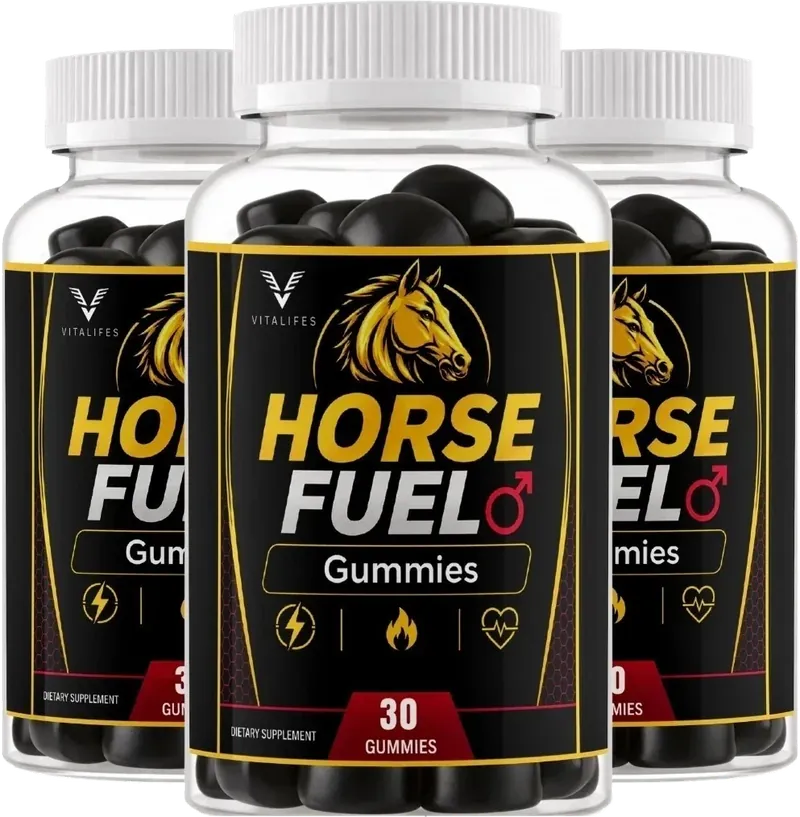
Daily energy mostly comes from sleep, daylight, steady food, regular movement and going easy on alcohol, not from a bottle. Vitamin D is the one nutrient here with a real, well-studied daily need and upper limit. See a doctor first if fatigue is new, severe, or paired with other symptoms. A gummy like Horse Fuel can support a routine you already have; it cannot replace one.
Why sleep comes before anything else
Sleep is the single biggest lever for daily energy. Most adult men need 7 to 9 hours a night. Going below that for even a few nights raises stress hormones and makes ordinary tasks feel harder than they should.
| Habit | Why it helps |
|---|---|
| Same wake time daily | Keeps your body clock steady, even after a late night |
| No screens for 30 minutes before bed | Screen light can delay the signal that tells your body it is time to sleep |
| Cool, dark room | A lower room temperature helps you fall and stay asleep |
| No caffeine after early afternoon | Caffeine can stay in your system 6 hours or more |
If you sleep 7-9 hours and still feel drained most days, that is worth a doctor visit, not just a gummy.
Sleep debt adds up quietly. Losing an hour a night for a week is roughly the same hit as one all-nighter, but it feels smaller day to day, so it is easy to ignore. If your weekday alarm feels like a fight every single morning, that usually means your sleep window is too short, not that you need a stronger supplement.
Daylight and vitamin D: the clearest nutrition story here
Daylight and vitamin D are closely linked, and vitamin D is the clearest nutrition story in men's energy. Your skin makes vitamin D from sunlight, and many adults, especially those who work indoors or live somewhere with short winter days, run low. The NIH sets the adult daily need at 15-20 mcg and the upper limit at 100 mcg (National Institutes of Health, 2024).
A large pooled analysis of 25 trials found vitamin D modestly cut the risk of respiratory infections, with the clearest benefit in people who started out low (Martineau et al., 2017). That pattern shows up again and again with vitamin D: the people who feel a difference are usually the ones who were short on it, not everyone.
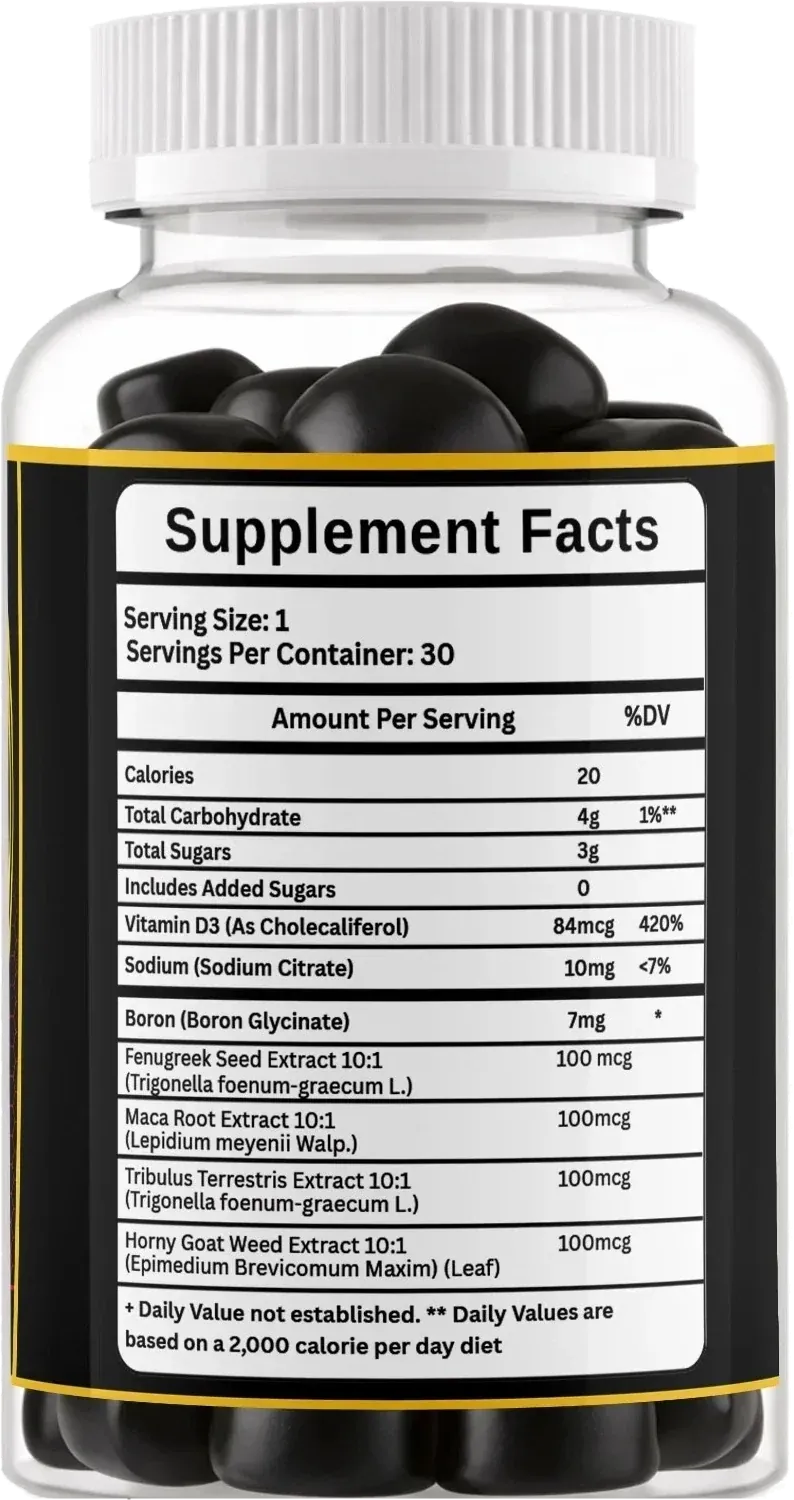
Horse Fuel lists 84 mcg of vitamin D3 per gummy, 420% of the Daily Value and about 3,360 IU. That is well above the daily need and under the 100 mcg upper limit on its own, but if you also take a multivitamin or another vitamin D supplement, add up your total and stay under the limit. A 10-15 minute walk outside most days is the free version of the same idea.
Food: the fuel underneath everything
Food quality affects energy more directly than most men expect. A pattern built around protein, vegetables, whole grains and enough water leaves you steadier through the day than one built around sugar and skipped meals.
- Protein at each meal to support muscle and steady energy
- Water through the day; even mild dehydration saps energy
- Fewer refined-sugar spikes and crashes
- Regular meal timing instead of long gaps followed by overeating
You do not need a strict diet to see a difference. Swapping one sugary drink a day for water, adding a palm-sized portion of protein to lunch, or simply eating on a more regular schedule are small changes that add up over a few weeks. Extreme, hard-to-keep diets tend to backfire and drain energy rather than build it.
Movement: the stamina builder
Regular movement builds the stamina most men actually want. A simple mix of resistance training a couple of times a week, plus some walking or light conditioning most days, does more for day-to-day energy than most supplements ever will.
What tends to help
- A brisk walk most days, ideally outside
- Resistance training 2-3 times a week
- Standing up and moving every hour at a desk job
- Stretching or light mobility work on rest days
What tends to backfire
- Training so hard you cannot recover before the next session
- Sitting for most of the day with no movement breaks
- Skipping activity entirely on days you feel tired
- Chasing intensity while ignoring sleep
Consistency beats intensity. Three easy sessions a week for months will outperform an intense week followed by three weeks off. Movement also helps you sleep better at night, which feeds back into every other habit on this page.
Alcohol: a quiet drain on next-day energy
Alcohol can make you feel sleepy at first, but it breaks up deep sleep later in the night, so you often wake up less rested even after a full night in bed. It is also dehydrating, which adds to next-day tiredness.
You do not need to cut alcohol out completely to feel a difference. Fewer drinks, earlier in the evening, and at least one alcohol-free night a week are realistic changes that tend to show up in how you sleep and feel the next day.
- Alcohol close to bedtime disrupts deep sleep, even if it helps you fall asleep faster
- Alcohol is dehydrating, which can add to fatigue the next day
- A drink-free night now and then is an easy way to see how much alcohol is actually costing your sleep
When low energy needs a doctor, not a gummy
Low energy that is new, severe, sudden, or paired with other symptoms, such as weight change, mood change, chest pain or unusual thirst, deserves a doctor visit before anything else. Low iron, thyroid problems, sleep apnea and low vitamin D are common, treatable causes that a gummy will not fix on its own.
Bring a simple list to that appointment: how long the fatigue has lasted, your sleep hours, any medicine you take, and anything else that changed recently. A blood panel, including a vitamin D test, can rule out several causes in one visit.
- Fatigue that is new, sudden or severe
- Fatigue paired with weight, mood or thirst changes
- Snoring or gasping during sleep, a possible sign of sleep apnea
- Any symptom that keeps getting worse instead of better
Where a gummy like Horse Fuel fits
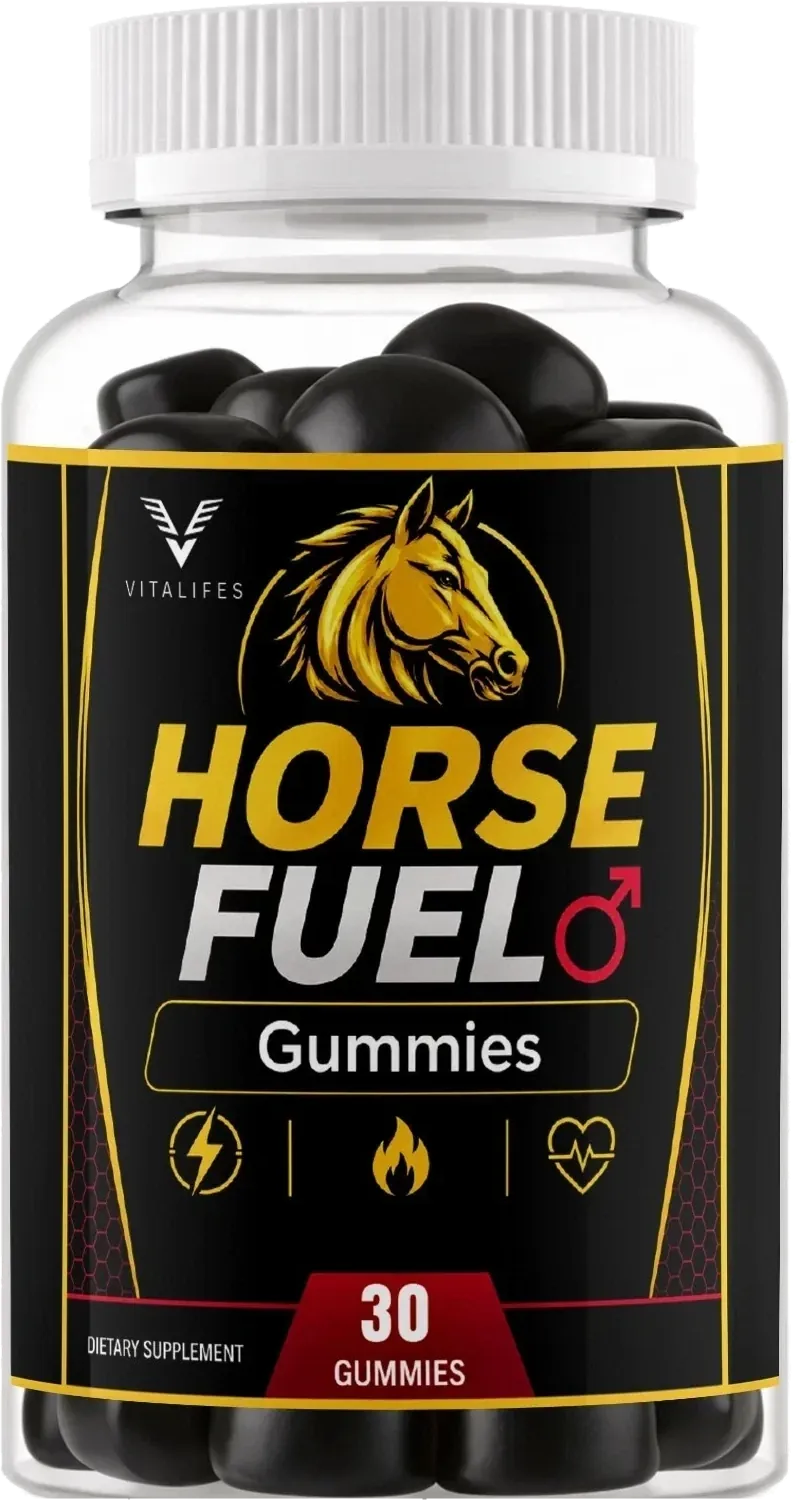
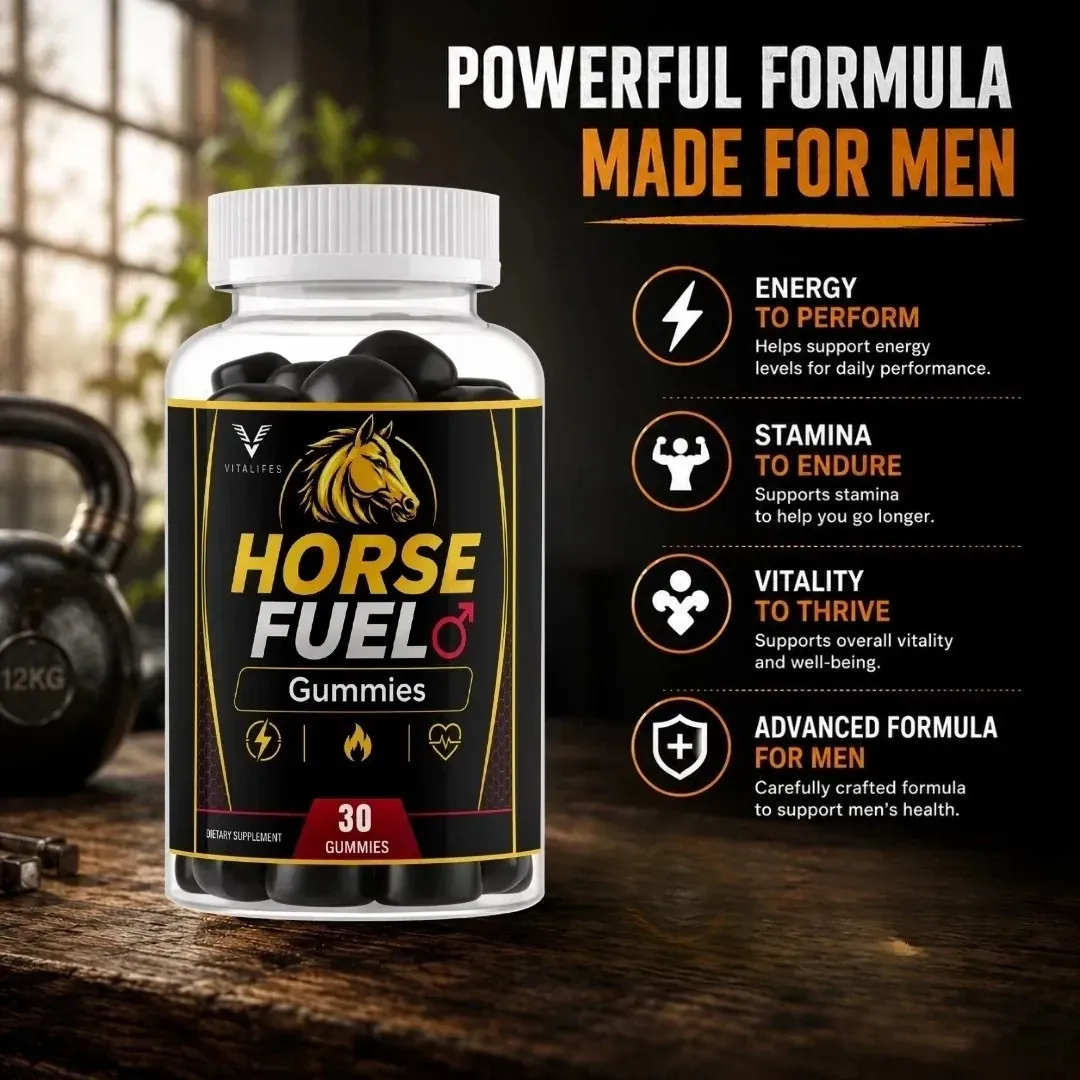
Once sleep, daylight, food, movement and alcohol are in a reasonable place, a daily gummy can be a small extra layer, not a foundation. Horse Fuel is built around that idea: one gummy a day, mainly for its vitamin D3 and boron, on top of habits that are already working.
A 3-bottle pack runs 90 days at one gummy a day and costs $36.39 on the marketplace listing. That is a long enough stretch to judge a routine, though the listing's 30-day return window closes well before the 90 days are up, so decide on tolerance early. See Horse Fuel pricing for every pack size, or how to take Horse Fuel for the daily routine.
- Habits first: sleep, daylight, food, movement, alcohol
- A gummy can support the routine, not replace it
- Judge any supplement over weeks, not days
The boron dose here, 7 mg, sits close to the 10 mg used in a small 1-week trial that found changes in some hormone markers in healthy men (Naghii et al., 2011), though that trial was small and short. Think of the order of operations: fix sleep, get some daylight, tighten up food, add movement, ease off alcohol, and only then decide whether a daily gummy is worth adding on top.
Habit vs. evidence: a quick scorecard
| Habit or ingredient | Evidence behind it | What that means for you |
|---|---|---|
| 7-9 hours of sleep | Strong, consistent across large studies | The highest-value change most men can make |
| Daylight and vitamin D | Strong for correcting low levels | National Institutes of Health, 2024 |
| Steady food and hydration | Strong for general health | Fewer crashes, more even energy through the day |
| Regular movement | Strong, consistent | Builds the stamina you actually feel day to day |
| Cutting back on alcohol | Strong evidence it disrupts sleep quality | An easy, free change to try first |
| Boron | Limited, one small short trial | Naghii et al., 2011 |
The honest pattern: the habits with the strongest evidence are free. Vitamin D has real research behind it, but the clearest benefit shows up in people who are low to start with. See our full Horse Fuel ingredients breakdown for how the whole label compares.
Men's Energy Guide: common questions
What actually improves daily energy the most?
Sleep, daylight, steady food, regular movement and cutting back on alcohol. These have the strongest evidence of anything discussed here.
How much vitamin D does Horse Fuel provide?
84 mcg (3,360 IU) per gummy, 420% of the Daily Value, under the 100 mcg adult upper limit (National Institutes of Health, 2024).
Is boron worth taking for energy?
The evidence is limited to one small, short trial. It is not harmful at typical doses, but it is not a proven energy fix on its own.
When should I see a doctor instead of trying a supplement?
When fatigue is new, severe, sudden, or comes with other symptoms like weight or mood changes. A blood panel, including vitamin D, can rule out common causes.
Can Horse Fuel replace sleep or daylight?
No. It is meant to sit on top of good habits, not replace them.
How long should I try a routine before judging it?
Vitamin D levels typically build over several weeks, though the return window on the listing is shorter, at 30 days.
Does alcohol really affect next-day energy?
Yes. It disrupts deep sleep later in the night and is dehydrating, both of which can leave you more tired the next day.
Where can I read the full Horse Fuel ingredient breakdown?
On our ingredients page, which covers all six ingredients and what is and is not shown on the label.
Keep reading
What are the ingredients in Horse Fuel?
All six ingredients, one at a time, with research doses and evidence.
Read →How does Horse Fuel work?
The three ingredient groups on the label and what each is meant to do.
Read →How do I choose a men's energy gummy?
A checklist for comparing any product, not just Horse Fuel.
Read →Order Horse Fuel from the authorized retailer
30 gummies per bottle, 1 a day. Packs of 3 or 6 bottles run from $10.92 a bottle on the listing, with 30-day returns. Questions first? Call +1 (302) 200-3480.