Daily Energy Habits for Men: What Actually Works
Most day-to-day tiredness in men comes from six fixable habits: too little sleep (aim for 7-9 hours), too little morning daylight, unsteady meals, too little movement, mild dehydration, and alcohol close to bedtime. Fix those first. See a doctor if tiredness lasts more than 2-3 weeks or comes with other symptoms; a gummy only tops up gaps like vitamin D on top of the habits, not instead of them.
Daily energy habits for men: the six things that matter most
Most days when a man feels tired, the cause is not a missing nutrient. It is one of six ordinary things: too little sleep, too little daylight, a skipped or sugar-heavy meal, too little movement, not enough water, or a drink the night before. Fixing those first costs nothing and works faster than anything in a bottle.
This guide runs through each habit, what actually moves the needle, when tiredness stops being a habits problem and starts needing a doctor, and where a daily gummy like Horse Fuel realistically fits once the basics are in place.
Sleep: the habit that changes energy the most
Sleep is the single biggest lever on daily energy. Most adults need 7 to 9 hours a night. Falling short even by an hour or two, night after night, adds up to a real sleep debt that no amount of caffeine fully covers.
What actually helps
- A consistent wake time, even on weekends, which anchors your body clock more than a fixed bedtime does
- A dark, cool, quiet room; light and heat are two of the most common reasons sleep feels shallow
- Cutting caffeine after early afternoon, since it can stay active in your system for 6 hours or more
- Keeping screens and bright light out of the last 30-60 minutes before bed
If you sleep a full 7-9 hours most nights and still feel drained, sleep is less likely to be the whole story, and it is worth reading the caution below on when to see a doctor.
Daylight: the free habit most men skip
Light exposure, especially in the morning, helps set your circadian rhythm, the internal clock that governs when you feel alert and when you feel sleepy. Spending most of the day under indoor lighting can blunt that signal.
Get outside within an hour of waking
Even 10-15 minutes of morning daylight, cloudy or clear, helps anchor your body clock for the day.
Take a short walk at midday
A midday break outside does double duty: daylight exposure and light movement, both of which counter the early-afternoon slump.
Dim the lights in the evening
Bright evening light pushes your body clock later, which can make it harder to fall asleep at a reasonable hour.
Daylight is also how the body makes most of its vitamin D. Indoor jobs, long winters and sunscreen all cut into that supply, which is one reason vitamin D intake matters for energy in the first place. See our full vitamin D and boron for men guide for the numbers.
Food: steady meals beat a sugar spike
Food affects energy mainly through blood sugar swings. A big, sugar-heavy breakfast or a skipped meal both tend to produce the same result a few hours later: a sharp dip in energy and focus.
| Pattern | Common effect on energy |
|---|---|
| Skipping breakfast | Often a mid-morning crash and stronger hunger later in the day |
| A sugar-heavy meal with little protein or fiber | A quick lift, then a sharper drop 1-2 hours later |
| A meal with protein, fiber and some fat | A steadier, longer-lasting energy level |
| Long gaps with no food at all | Irritability, trouble focusing, and a tendency to overeat at the next meal |
You do not need a strict diet to get most of the benefit. Regular meal timing, some protein at each meal, and going easier on sugary drinks and snacks covers most of what matters for steady daily energy.
Movement and hydration: the two most underrated habits
Movement and water sound like small things, but both have an outsized effect on how tired you feel by mid-afternoon.
Movement
Even light activity, a walk, stretching, taking the stairs, increases blood flow and tends to cut the afternoon slump more reliably than a sugary snack does. You do not need a full workout for the energy benefit; regular short movement breaks through the day count.
Hydration
Mild dehydration is a common, under-noticed cause of tiredness and poor focus. If your urine runs dark and you have not had much water, that is worth fixing before looking anywhere else for an energy answer.
Alcohol: the energy cost that shows up the next day
Alcohol has a two-part effect on energy. It can make you feel drowsy at first, but it disrupts the second half of the night's sleep, cutting into the deep and REM stages that leave you feeling rested. A late drink often shows up the next day as grogginess, even after what felt like a full night in bed.
- Drinking closer to bedtime tends to hurt sleep quality more than drinking earlier in the evening
- Alcohol is also mildly dehydrating, which can compound next-day tiredness
- Cutting back on drinking nights, even without quitting entirely, is one of the more noticeable levers for morning energy
When does tiredness need a doctor, not just better habits?
Ordinary tiredness usually responds to better sleep, food, light and movement within a week or two. Tiredness that does not, or that comes with other symptoms, can have a medical cause that habits alone will not fix.
Talk to a doctor if you notice:
- Fatigue that lasts more than 2-3 weeks despite decent sleep, food and activity
- Tiredness alongside unexplained weight change, unusual thirst, or hair or skin changes
- Loud snoring, gasping at night, or daytime sleepiness that suggests a sleep disorder
- Shortness of breath, chest discomfort, or a racing heartbeat with ordinary activity
- Mood changes, low motivation or loss of interest alongside the tiredness
A doctor can check for common, fixable causes such as low iron, an underactive thyroid, poor sleep quality, or a low vitamin D level with a simple blood test, checked against the RDA and upper limit NIH ODS publishes for adults (National Institutes of Health, 2024). Our side effects page also covers when a supplement itself, rather than tiredness in general, is the reason to call a doctor.
Where does a daily energy gummy actually fit?
A daily gummy is not a replacement for sleep, daylight, food, movement or cutting back on alcohol. It is a small addition on top of those habits, mainly useful for closing one specific gap: vitamin D.
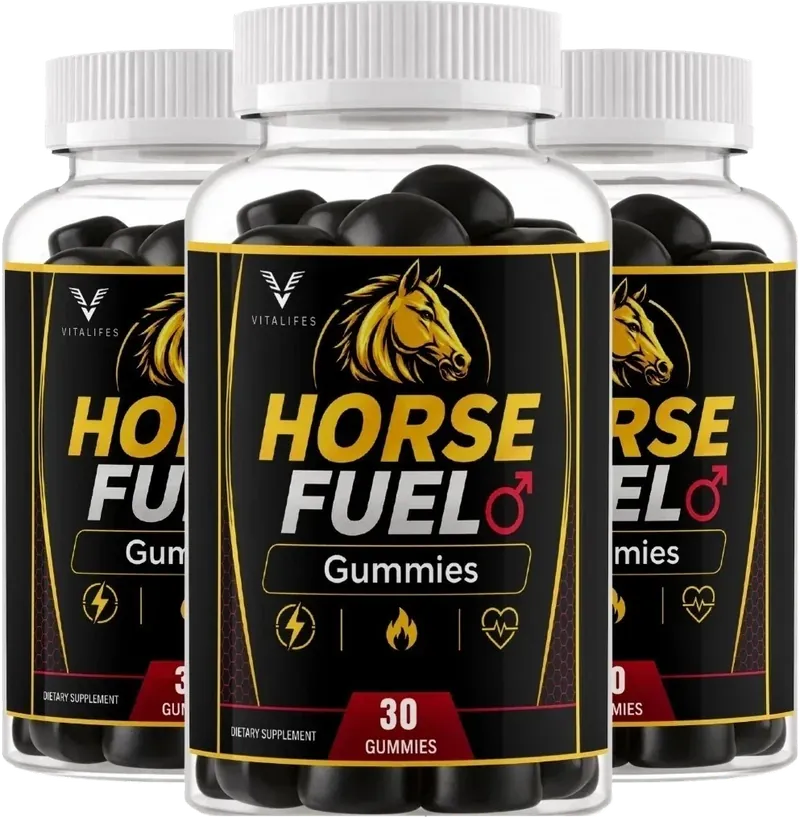
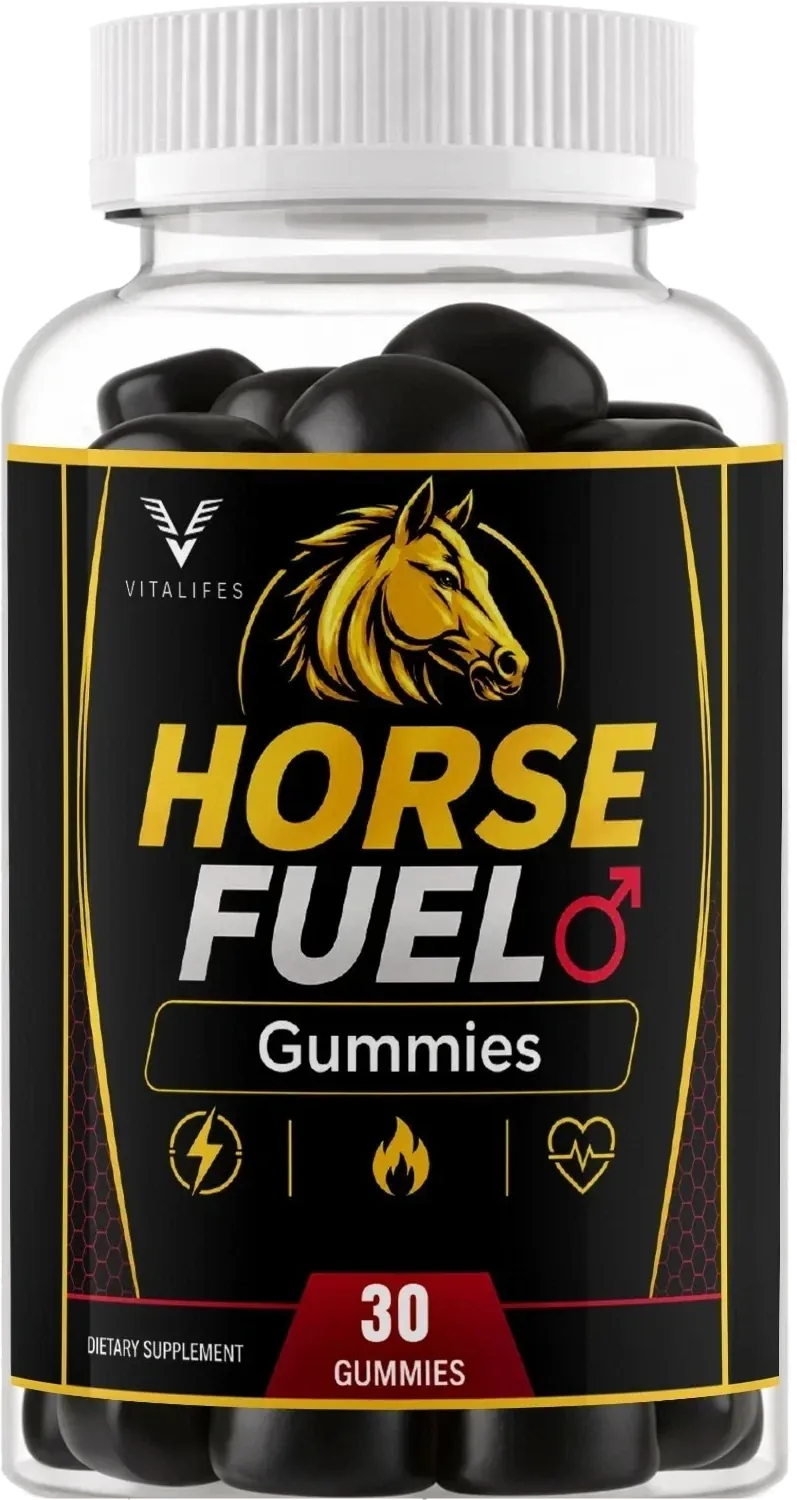
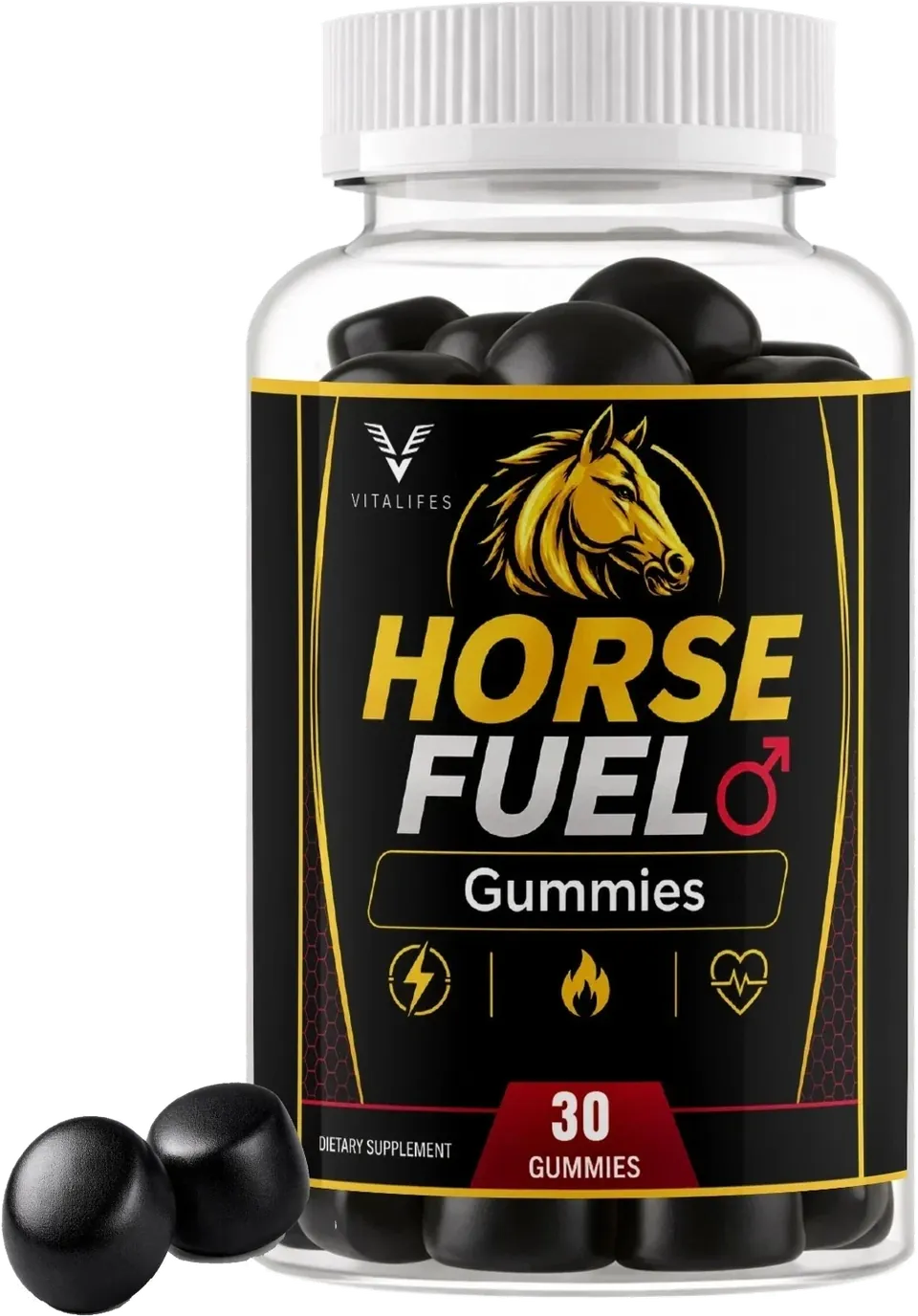
Horse Fuel is a once-a-day black gummy that lists 84 mcg of vitamin D3 (420% DV) and 7 mg of boron, plus four herbal extracts at 100 mcg each, an amount too small to expect much from on its own. The realistic role for a gummy like this is topping up a nutrient many men run short on, not replacing the habits above.
Where it can help
If you get little daylight and do not already take vitamin D, a gummy is an easy way to close that specific gap alongside the habits above.
Where it cannot help
It will not fix a real sleep debt, an unbalanced diet, a sedentary day or drinking that is cutting into your sleep. Those need the habit changes, not a gummy.
For the day-to-day routine we recommend around a gummy like this, see how to take Horse Fuel, or the full pricing page if you decide to try it. For the label math behind the doses, read mcg vs. mg on supplement labels.
Questions readers ask
What is the single biggest habit for daily energy?
Sleep. Most adults need 7-9 hours a night, and a consistent wake time helps more than almost any other single change.
Does morning daylight really affect energy?
Yes. Morning light helps set your circadian rhythm, the internal clock that governs alertness and sleepiness. Indoor jobs and long winters cut into that exposure.
What foods help avoid the afternoon energy crash?
Meals with protein, fiber and some fat produce steadier energy than a sugar-heavy meal or a skipped meal, both of which tend to cause a sharper crash a few hours later.
Does alcohol really hurt next-day energy?
Yes. Alcohol disrupts the deep and REM stages of sleep later in the night, which is why a late drink can leave you feeling groggy even after a full night in bed.
How much water should I drink for energy?
There is no single number that fits everyone, but if your urine runs dark and you have not had much water, mild dehydration is a common and easily fixed cause of tiredness.
When should tiredness see a doctor instead of a habit fix?
If fatigue lasts more than 2-3 weeks despite decent sleep, food and activity, or comes with weight change, unusual thirst, loud snoring, chest symptoms or mood changes, see a doctor.
Can a supplement replace these habits?
No. A daily gummy like Horse Fuel can help close a specific gap, such as low vitamin D, but it cannot substitute for sleep, daylight, food, movement or cutting back on late drinking.
Where does Horse Fuel fit into a daily energy routine?
As a small daily add-on, mainly for its 84 mcg of vitamin D3 and 7 mg of boron, taken alongside the habits above, not instead of them.
Keep reading
mcg vs. mg on supplement labels
The math behind mcg, mg and IU on labels, why 10:1 extracts still look tiny, and how Horse Fuel's 100 mcg herbs compare ...
Read →Vitamin D and boron for men
What vitamin D and boron do, how much men need, who runs low, how testing works, and how Horse Fuel's 84 mcg and 7 mg co...
Read →How much does Horse Fuel cost?
Pack sizes, days of supply and how to pick the right one.
Read →Order Horse Fuel from the authorized retailer
30 gummies per bottle, 1 a day. Packs of 3 or 6 bottles run from $10.92 a bottle on the listing, with 30-day returns. Questions first? Our contact page explains who answers what.