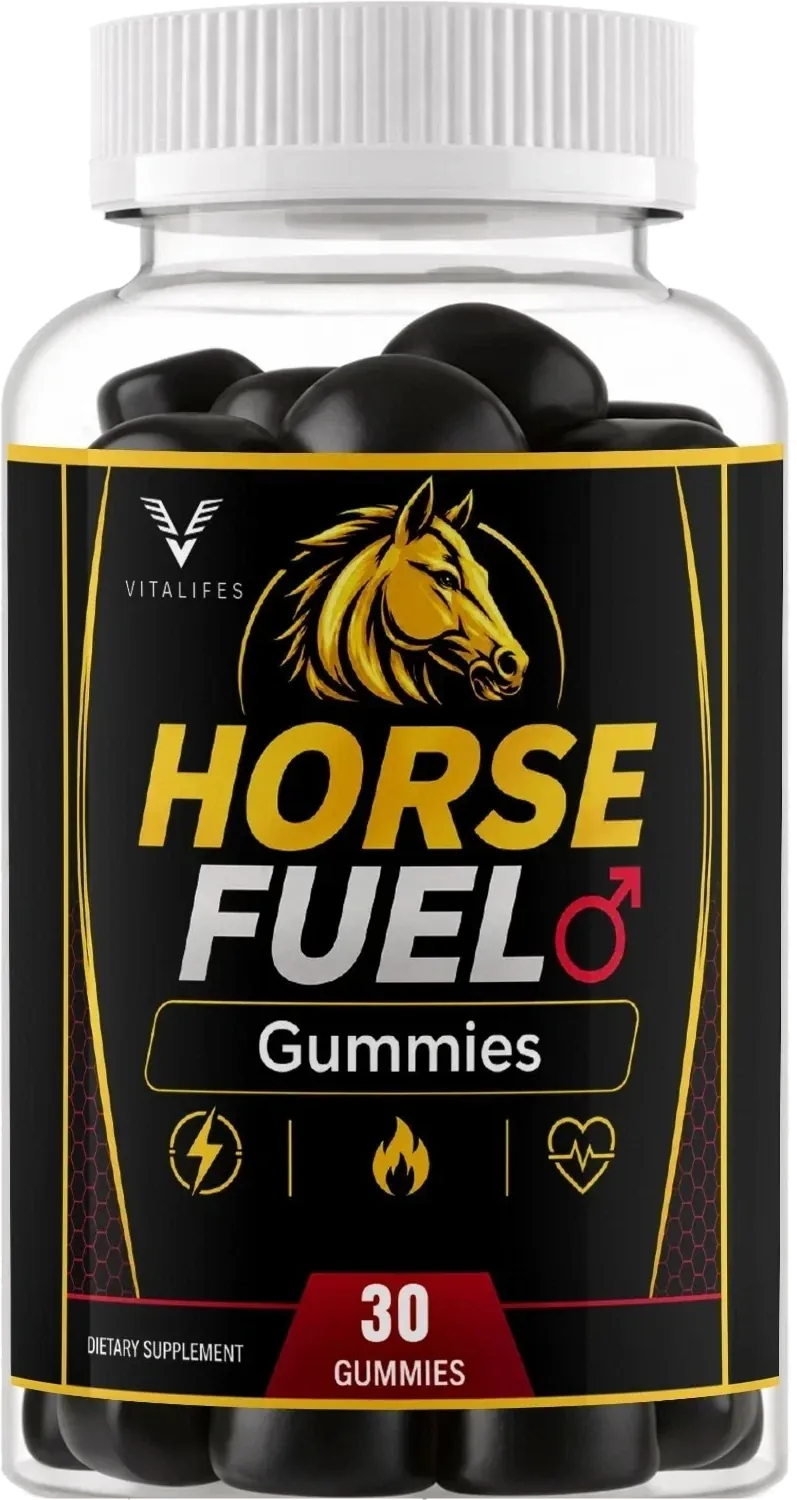
Is Horse Fuel Safe? Side Effects, Upper Limits and Who Should Skip It
Horse Fuel has no large safety trial of its own blend. Its vitamin D3 sits close to the adult upper limit if you add other sources, and fenugreek can interact with blood thinners and diabetes medicine. The label tells anyone under 18, pregnant, nursing or with a medical condition to see a physician first.
What does “safe” mean for a gummy like this?
Horse Fuel is a dietary supplement and is not FDA approved, as no supplement is. Searches for Horse Fuel side effects usually come down to three limits and a few medicine interactions. No supplement is safe for everyone at every dose. Safe means: the amounts sit within known limits, the risks are named, and the people who should check with a doctor know who they are.
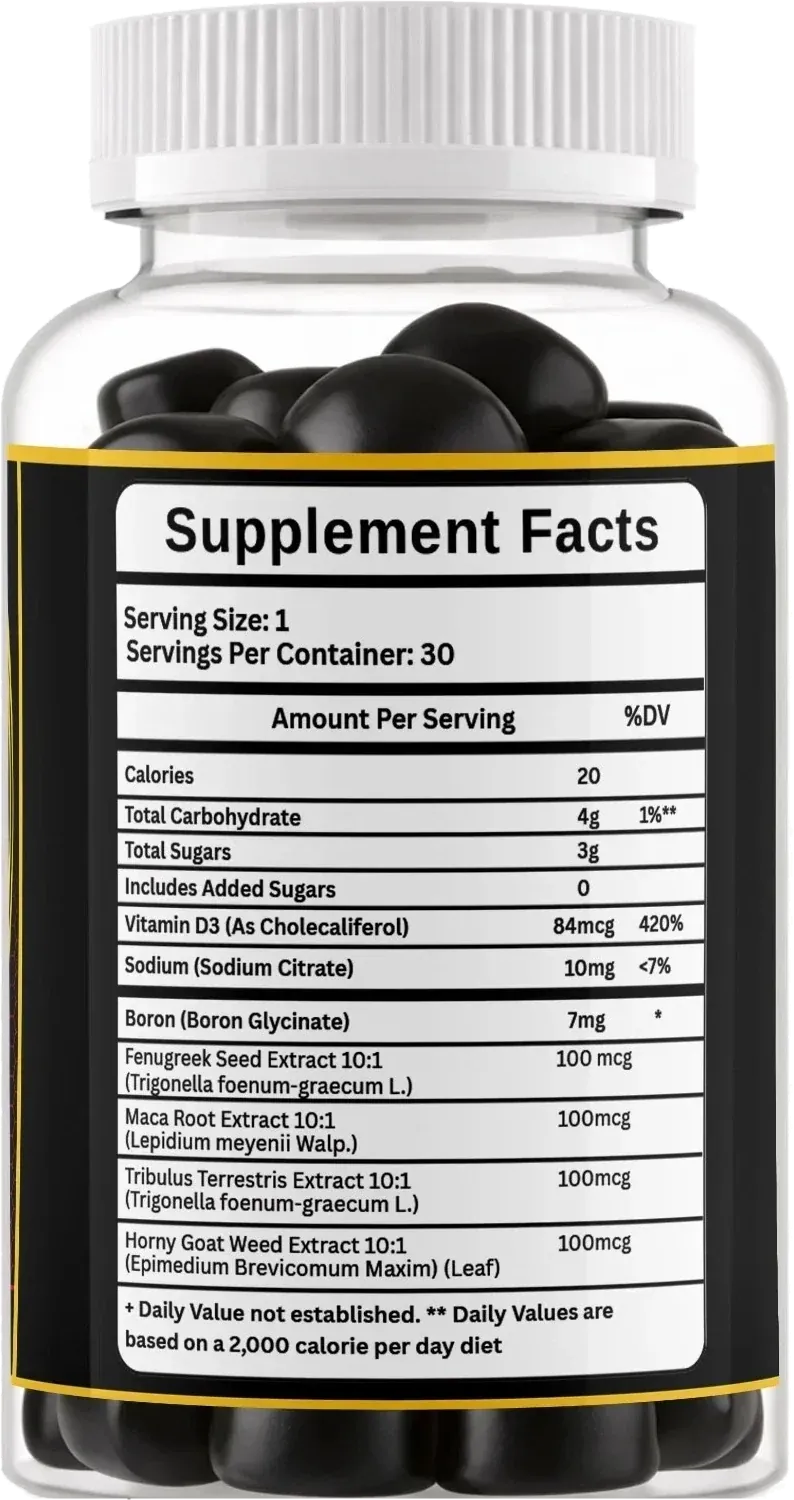
Horse Fuel is easier to judge than most because it prints every active amount. We can put each number beside its limit. We can also name the medicines that are worth a call to your doctor.
This page is general information. Nothing here is personal medical advice, and a clinician who knows your history should have the last word.
Key facts: what are the limits to know?
- Vitamin D3: 84 mcg per gummy. Adult upper limit: 100 mcg a day from all sources.
- Boron: 7 mg per gummy. Adult upper limit: 20 mg a day from all sources.
- Fenugreek may add to the effect of blood thinners and may lower blood sugar.
- Horny goat weed has rare liver-injury reports and may have mild PDE5-like activity.
- Label: adults 18 and over; pregnant or nursing mothers and people with a known medical condition should ask a physician first.
- Stop and call a doctor if something worries you. Do not use the bottle if its safety seal is damaged or missing.
Is 84 mcg of vitamin D3 too much?
On its own, no. It is under the 100 mcg adult upper limit, with 16 mcg of room to spare (National Institutes of Health, 2024). It is well above the 15 to 20 mcg most adults need, which is why the label shows 420% of the Daily Value.
The trouble starts when you add other sources. A second source of just 20 mcg takes the total to 104 mcg. A multivitamin, a separate D pill or fortified cereal can do that.
Too much vitamin D can cause hypercalcemia, which brings nausea, vomiting and muscle weakness, and in severe cases kidney injury (National Institutes of Health, 2024). Vitamin D can also interact with statins, thiazide diuretics and steroids, and orlistat can reduce how much the body absorbs.
Is 7 mg of boron safe?
For most healthy adults, it is within the limit. The adult upper limit is 20 mg a day from all sources combined (National Institutes of Health, 2024). Seven milligrams leaves 13 mg of room, the result of 20 minus 7.
The very high doses that hurt people were accidental exposures in the thousands of milligrams, far beyond any supplement (National Institutes of Health, 2024). That is why the limit exists.
The label puts a mark beside boron with no printed key. We do not know what it refers to, and that is one more reason to ask the seller if it matters to you.
Are the four herbs a safety concern at 100 mcg?
The amounts are small, so most cautions in the research relate to full doses. But the cautions are worth knowing.
| Herb | What the sources note |
|---|---|
| Fenugreek | May add to warfarin's effect and bleeding risk; linked in one case to serotonin syndrome with an SSRI; may lower blood sugar; not advised in pregnancy (Memorial Sloan Kettering Cancer Center, 2023) |
| Maca | Limited long-term safety data; people with thyroid conditions should be cautious (Shin et al., 2010) |
| Tribulus | Rated an unlikely cause of liver injury at typical doses (LiverTox, 2022) |
| Horny goat weed | Rated an unlikely cause of liver injury; one 2025 case of severe muscle spasms with an unregulated product (LiverTox, 2023; Lucerna, 2025) |
The label also prints fenugreek's Latin name under the tribulus line. So the identity of that 100 mcg cannot be fully confirmed from the label alone. We treat its safety notes as based on the printed name.
Does Horse Fuel interact with medicine?
It may. None of these pairs has been studied in the exact blend, and most involve amounts far higher than 100 mcg. But if you take a prescription, a call to your doctor or pharmacist is a two-minute job.
| If you take | Watch this ingredient | Why |
|---|---|---|
| Blood thinners such as warfarin | Fenugreek | May add to bleeding risk |
| An SSRI such as sertraline | Fenugreek | One case report of serotonin syndrome |
| Diabetes medicine | Fenugreek | May lower blood sugar further |
| Nitrates or ED medicine | Horny goat weed | May have mild PDE5-inhibiting activity |
| Another vitamin D product | Vitamin D3 | Adds to the 84 mcg |
| Statins, thiazide diuretics or steroids | Vitamin D3 | Vitamin D can interact |
Who should not take Horse Fuel without a doctor's OK?
The label draws the first lines. It excludes anyone under 18, pregnant or nursing mothers, and anyone with a known medical condition unless a physician agrees.
We would add people who already take vitamin D, and anyone on blood thinners, SSRIs, diabetes medicine, nitrates or ED medicine. Add anyone with a heart condition or liver, kidney or hormone-sensitive illness.
Also, if erection trouble or tiredness is new, see a doctor first. New erection trouble can be an early sign of heart disease. A supplement is not the right first step.
One more small note: each gummy has 3 g of sugars and 20 calories, with 0 g listed as added sugar. If you watch your blood sugar closely, count it.
When should you stop and call a doctor?
- Nausea, vomiting, unusual thirst or confusion.
- Unusual bleeding or bruising, or blood in urine or stool.
- A racing or irregular heartbeat, chest pain or dizziness.
- Swelling, rash or other signs of an allergic reaction.
- Stomach pain that does not pass.
- Lower blood sugar readings than usual, if you manage diabetes.
Stop the gummy first, then call. You can also call the order desk with your order ID if you want to return it. See the side effects page for the full table.
Frequently asked questions
Is Horse Fuel safe to take?
At the label dose of one gummy a day it sits within the adult upper limits for vitamin D3 and boron when taken alone. Medicines, other vitamin D, pregnancy and medical conditions change that, so ask a doctor first.
Which side effects are linked to Horse Fuel?
No large trial of the exact blend exists. The risks named in the sources are too much vitamin D, fenugreek interactions with blood thinners and diabetes medicine, and rare liver reports for horny goat weed.
Can I take Horse Fuel with other vitamin D?
Add the amounts first. One gummy is 84 mcg, and the adult upper limit is 100 mcg a day from all sources.
Is Horse Fuel okay alongside blood thinners?
Ask your doctor first. Fenugreek may add to bleeding risk, with case-based evidence of potentiating warfarin.
Is Horse Fuel safe if I take ED medicine or nitrates?
Speak to your doctor before starting. Horny goat weed may have mild PDE5-inhibiting activity, and nitrates with ED medicines need a doctor's input.
Who should not take Horse Fuel?
Anyone under 18, anyone pregnant or nursing, and anyone with a known medical condition unless a physician agrees. We would add people on the medicines listed above.
Our view
Horse Fuel is not alarming on paper. One gummy stays under both upper limits when taken alone, and the herbs are very small. But a label with a vitamin D3 dose near its limit and four herbs with known interactions is not a product to start on autopilot.
The simple routine is to count your total vitamin D, read the interaction table against your medicine list, and ask your doctor if any line matches. That takes minutes.
If you are healthy, an adult and on no regular medicine, the practical risk is low at one gummy a day. If any of those three is untrue, a doctor should have the first word.
Last updated . This page is general information, not medical advice.